
Stenosis
What is spinal stenosis?
Spinal stenosis is defined by an overly narrow space and an exertion of pressure around the spinal cord, resulting in irritation. In 2020-21, 12% of total back problem hospitalisations were a result of spinal stenosis.
Symptoms
Symptoms may not be evident in the initial stages of spinal stenosis. However, symptoms typically develop over time and may include numbness, tingling or weakness in the neck, back arms, legs, hands or feet.
Two primary areas are affected, these being:

Lower back (lumbar spinal stenosis)
The lumbar spine is connected between the upper spine and pelvis, consisting of five vertebrae known as L1 to L5. These are the largest in the spine.
Neck (cervical spinal stenosis)
The cervical spine is connected between the upper spine and head, consisting of seven vertebrae known as C1 to C7. These are the most mobile joints in the spine.

In rare cases, the middle back (thoracic spine) can be affected by stenosis.
Causes
Spinal stenosis can be caused by various factors that are attributed to spinal canal constriction. The vertebral canal typically offers sufficient room for the spinal cord, cauda equina, and exiting nerves, however, the following factors can cause this space to narrow:
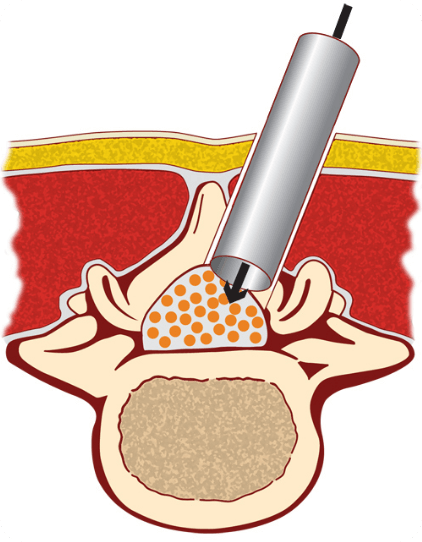
Approach to endoscopic decompression surgery.
Make an appointment
Your well-being is our priority, and we invite you to experience the transformative impact of advanced spinal care.